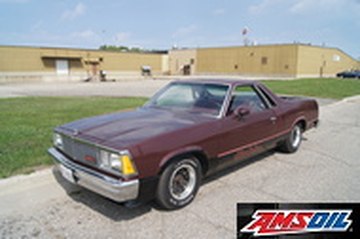
Engine Lubrication and Service for the 1982 Gmc Trucks CABALLERO 4.4L
Maintaining a vehicle from the early 1980s requires a proactive approach to fluid management and mechanical inspection. For owners of the 1982 Gmc Trucks CABALLERO equipped with the 4.4L engine, consistent attention to lubrication systems is a fundamental aspect of long-term preservation. Because older engines may exhibit different sealing characteristics than modern counterparts, understanding how to monitor and respond to changes in fluid condition is essential for effective ownership.
Monitoring Fluid Integrity and Potential Seepage
One of the most practical maintenance tasks for this vehicle involves regular visual inspections of the engine area. Over time, various gaskets and seals may undergo changes due to heat cycles and age. Rather than assuming a component has failed, owners should look for evidence of seepage or active leaks during routine service intervals.
When inspecting the engine bay, pay close attention to the following areas:
- Sealing Surfaces: Check around various engine junctions for any signs of oily residue that might indicate a slow seep.
- Drain Areas: Inspect the area beneath the vehicle after it has been parked for an extended period to identify any dripping fluids.
- External Connections: Look for any fluid accumulation near electrical connectors or mounting points where oil might migrate.
If you notice a change in the appearance of the ground beneath the vehicle, or if you observe an unusual odor that may indicate oil contacting a hot surface, these are indicators that warrants further investigation. It is important to remember that such symptoms can have multiple causes, ranging from a loose cap to a weeping seal, and should be diagnosed by a professional to ensure accuracy.
Managing Engine Oil Condition
The engine oil in the 4.4L engine serves as more than just a lubricant; it is a critical medium for managing heat and controlling internal contaminants. As oil circulates, it helps to mitigate the buildup of deposits that can occur over long periods of operation. Maintaining clean oil is vital for ensuring that the engine operates smoothly and that internal components remain protected from unnecessary friction.
For vehicles of this era, monitoring the color and consistency of the oil can provide useful information about the engine's current state. Oil that appears excessively dark or contains visible particulates may suggest that the lubricant is reaching the end of its effective service life or that the filtration system requires attention. Additionally, if you notice an unusual increase in how often the oil level must be checked, this change in consumption should be investigated to determine the underlying cause.
Prioritizing Maintenance Based on Current Condition
Effective long-term ownership of a 1982 Gmc Trucks CABALLERO involves moving away from rigid schedules and toward condition-based maintenance. While following a general service routine is helpful, your specific priorities should be dictated by the actual state of the vehicle.
If you are stepping into ownership of this vehicle without a complete service history, establishing a maintenance baseline is a wise first step. This involves performing a thorough inspection of all fluids and age-sensitive components to understand what has been recently addressed and what may require upcoming attention. Once a baseline is established, you can prioritize tasks such as addressing active leaks or replacing aging hoses and belts (if equipped) before they lead to more significant issues.
Keeping detailed records of every oil change, filter replacement, and mechanical repair is highly beneficial. These records allow you to track patterns—such as how quickly the oil degrades or whether a specific seal continues to seep—which helps in making informed decisions about future repairs versus preventive replacements.
Observing Potential Warning Signs
While many maintenance needs are discovered during scheduled inspections, some issues may present themselves through subtle changes in vehicle behavior. Being observant of these signs can prevent minor concerns from escalating into more complex mechanical problems.
Potential indicators that require attention include:
- Changes in Lubricant Appearance: If the oil appears milky or has a significantly different texture than usual, it may indicate contamination.
- Unusual Mechanical Noises: Any new sounds coming from the engine area during startup or operation should be investigated promptly.
- Exhaust Observations: While exhaust characteristics can be influenced by many factors, any sudden change in smoke color or frequency warrants a professional inspection.
- Warning Indicators: If the dashboard displays any fluid-related warning lights, these require immediate investigation to prevent potential engine damage.
Always approach these signs with the understanding that they are symptoms rather than definitive diagnoses. A single symptom can be associated with various mechanical states, and a professional diagnostic approach is necessary to identify the exact source of the issue.
Evaluating Component Longevity
As a vehicle ages, certain materials naturally become less resilient. For the 1982 Gmc Trucks CABALLERO, this applies to various rubber and plastic components throughout the engine compartment. When performing routine maintenance, it is useful to inspect accessible belts (if equipped) for signs of cracking, glazing, or fraying. Similarly, inspecting hoses for softness, brittleness, or swelling can help identify parts that may be nearing the end of their reliable service life.
Rather than replacing every component based solely on its age, focus on the physical condition of the part. A hose that remains supple and shows no signs of bulging is often still serviceable, whereas one that feels hard or brittle should be prioritized for replacement. This approach ensures that maintenance funds are directed toward components that actually require attention.
Practical Guidance for Buying Engine Oil for your 1982 Gmc Trucks CABALLERO 4.4L
When it is time to replenish the lubrication in your engine, the most important step is to ensure the product you select matches the specific requirements of your application. To avoid errors, always match the engine oil to the application-specific viscosity information already displayed on this webpage.
Before making a purchase, carefully check the product labeling to confirm it meets the necessary standards for your engine. While modern formulations offer various options, such as conventional, synthetic blends, or full synthetic oils, you should select the one that aligns with the technical data provided for your specific 4.4L engine. Some high-mileage oil formulations contain additives intended for use in aging engines, including seal-conditioning additives, which may be a consideration depending on the current state of your vehicle's gaskets and seals.
Avoid making assumptions based solely on the age of the vehicle or general automotive trends. By strictly adhering to the viscosity and application details listed in the technical specifications above, you ensure that the lubricant provides the appropriate level of protection for your 1982 Gmc Trucks CABALLERO.